
Wiring That Meets Modern Load Demands
Residential electrical service in Omaha for homes with outdated panels, overloaded circuits, or wiring that no longer matches how the house is used
Twitchell Electric handles residential electrical work for homeowners whose existing wiring, panels, or circuit layouts were built for a different era of household demand. Single-family homes constructed before the widespread adoption of high-draw appliances — EV chargers, heat pump systems, induction ranges, and whole-home entertainment setups — were typically wired with 100-amp service panels and circuit counts designed around far lighter loads. When those homes are updated without upgrading the electrical infrastructure behind them, the mismatch creates real operational problems: tripped breakers, lights that dim when appliances cycle on, and outlets that simply stop responding.
Residential electrical service begins with a load evaluation — a review of what the panel currently handles versus what the household draws during normal use. From there, Twitchell Electric identifies where capacity needs to be added, whether that means a full panel upgrade to 200-amp or 400-amp service, the addition of dedicated circuits for specific appliances, or rewiring of rooms that were finished decades ago with wiring types no longer permitted under current code. In older homes where aluminum branch circuit wiring was standard, connections require specific remediation at every device and junction point to meet current safety requirements — a detail that distinguishes a thorough inspection from a surface-level repair.
Arrange a panel and load review to identify what your home's current electrical system can and cannot support.
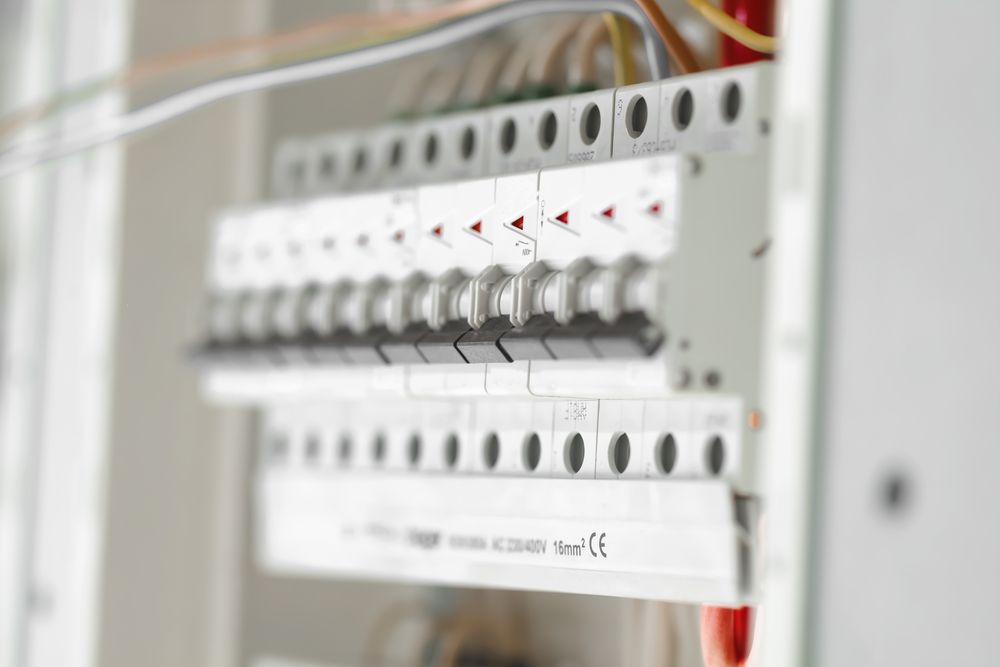
How Residential Electrical Work Is Done Correctly
A proper residential electrical job follows a defined sequence: assessment first, then permitting where required, then physical work, then inspection. Skipping the permit stage on panel replacements or new service runs is a common shortcut that creates title and insurance complications when the home is sold. Twitchell Electric works through the required permitting process so the completed work appears on record as inspected and approved — which matters when a home changes hands or when an insurance carrier requests documentation after an electrical event.
After the work is completed, what you notice is straightforward: breakers stop tripping under normal household use, high-draw appliances run without affecting other circuits, and outlets in updated rooms hold steady voltage. Homes where a panel upgrade has been completed can also accept future additions — EV chargers, solar inverter connections, generator interlock kits — without requiring another round of infrastructure work.
Residential electrical scopes vary considerably depending on the age of the home, the current panel rating, and whether the work involves new construction rough-in, a service upgrade, or repairs to existing circuits. Each of these requires a different approach to materials, sequencing, and inspection coordination, and the right starting point is an accurate picture of what's already in the walls and at the meter.
What Property Owners Ask About the Work
The questions homeowners ask most often about residential electrical work center on what the process actually involves and what conditions require different approaches — particularly in homes where the wiring and panel haven't been touched since original construction.
What triggers the need for a panel upgrade rather than just adding a circuit?
When the total amperage draw of current and planned appliances approaches or exceeds the panel's rated capacity, individual circuit additions won't resolve the underlying limitation. A 100-amp panel feeding a modern household with an EV charger, HVAC system, and kitchen appliances is structurally undersized, and adding circuits to it pushes the service entrance conductors beyond safe loading — which is why the panel itself has to be replaced rather than expanded.
How does aluminum branch circuit wiring affect the scope of electrical repairs?
Aluminum wiring used in residential construction during the 1960s and 1970s expands and contracts at a different rate than the copper devices it connects to, which causes connections to loosen over time at outlets, switches, and panel terminals. Remediation involves installing approved anti-oxidant compound and either replacing devices with aluminum-rated models or pigtailing connections with copper using approved connectors — every connection point in the affected circuits has to be addressed, not just the ones that have already failed.
What happens during an electrical inspection after panel or circuit work?
An inspector from the local authority having jurisdiction reviews the physical installation against current code requirements — verifying wire gauge, breaker sizing, grounding and bonding, arc-fault and ground-fault protection placement, and proper labeling of circuits. You receive a signed inspection record that documents the work as code-compliant.
When does an electrical project require a permit?
Panel replacements, new service runs, additions of circuits to finished spaces, and any work that changes the capacity or configuration of the service entrance typically require a permit in most jurisdictions. Repairs to existing devices — replacing an outlet or switch in kind — generally do not. In Omaha, the local permit requirement applies to the scope of work, not just the dollar value, so the determining factor is what is being changed, not what it costs.
What should you check in the finished work before the electrician leaves?
Verify that every new or updated circuit is labeled accurately on the panel directory, that GFCI outlets in wet locations test and reset correctly using the test button, and that AFCI breakers click to the tripped position when tested. These are functional checks you can perform yourself and they confirm that protective devices are wired and seated correctly.
Twitchell Electric works through residential electrical projects from initial load assessment through final inspection, so the completed work is documented and code-compliant before the job is closed. Request a site evaluation to review your panel capacity and identify what your home's current wiring can support.